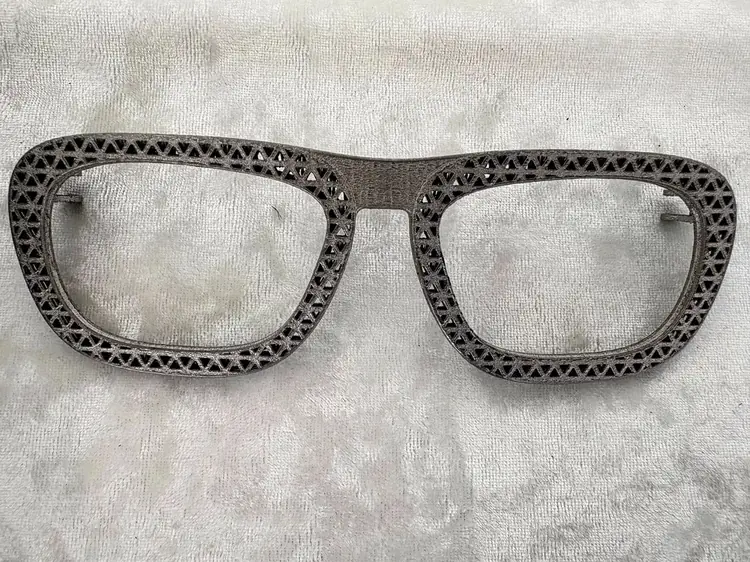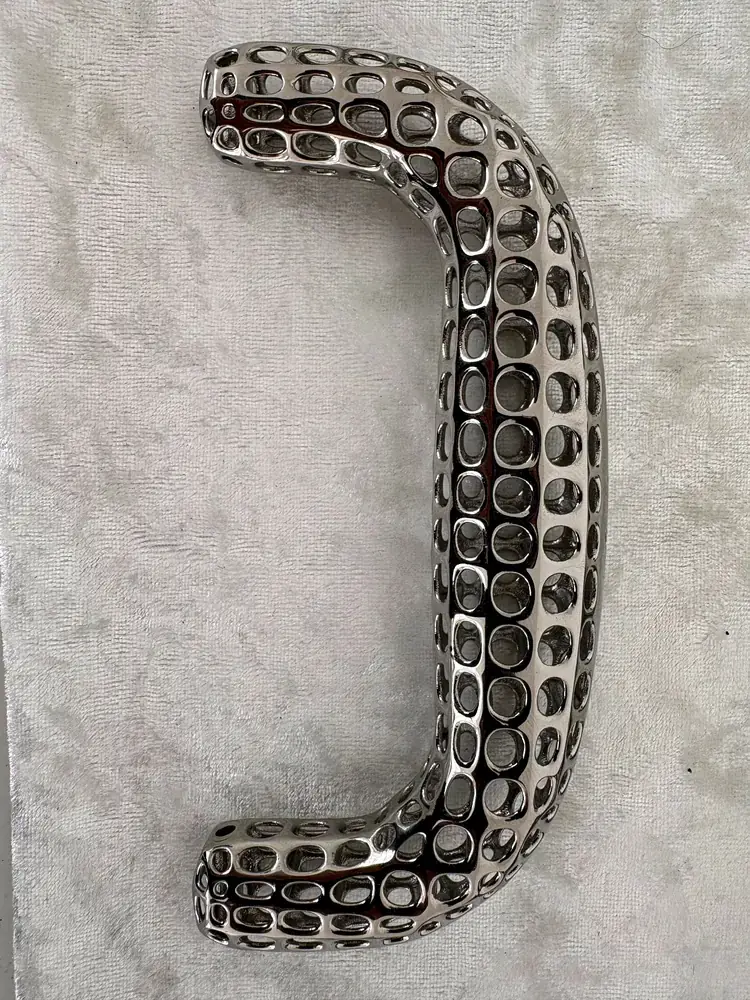
A printed porous titanium grip: 60% lighter than solid, with a texture that grips wet.
Quote within 48 h· 1-1,000+ pieces· Worldwide shipping Get a quote →
Porous titanium handle grip with lattice structure

Single piece shown. Every order is made after you approve the specification.

Industrial · Titanium Ti-6Al-4V

Porous Titanium Handle Grip

A printed porous titanium grip: 60% lighter than solid, with a texture that grips wet.

$89.00$109.00
Price for 1 piece, standard finish. Quantity pricing from 10 pieces.
  • MaterialTitanium Ti-6Al-4V
  • ProcessSLM metal printing
  • FinishSand blasted or polished
  • StructureOpen-cell lattice, 60% weight reduction
  • SizeMade to your handle diameter
  • WeightDepends on geometry - typically 40% of solid
  • Lead time8-12 working days
  • CustomisationPore size, density and outer profile
Request this piece →

We do not take card payments on the site: send the enquiry and you get a quote with shipping to your country within 48 hours. Custom sizes, colours and engraving are quoted at the same time.
About this piece

Design and manufacture

A grip sleeve printed with a controlled porous lattice. The open structure removes around 60% of the metal, which matters on a handheld tool, and the surface texture gives grip without knurling - it stays usable with wet or gloved hands.

The same structure is used for osseointegration-ready medical parts, where pore size and interconnectivity are specified rather than decorative. Tell us the pore size you need and we will confirm what is printable.

Every piece is made to order. Send your own file, or ask for this design with changes - size, PVD colour, material or engraving - and you get a quote for the modified version within 48 hours.

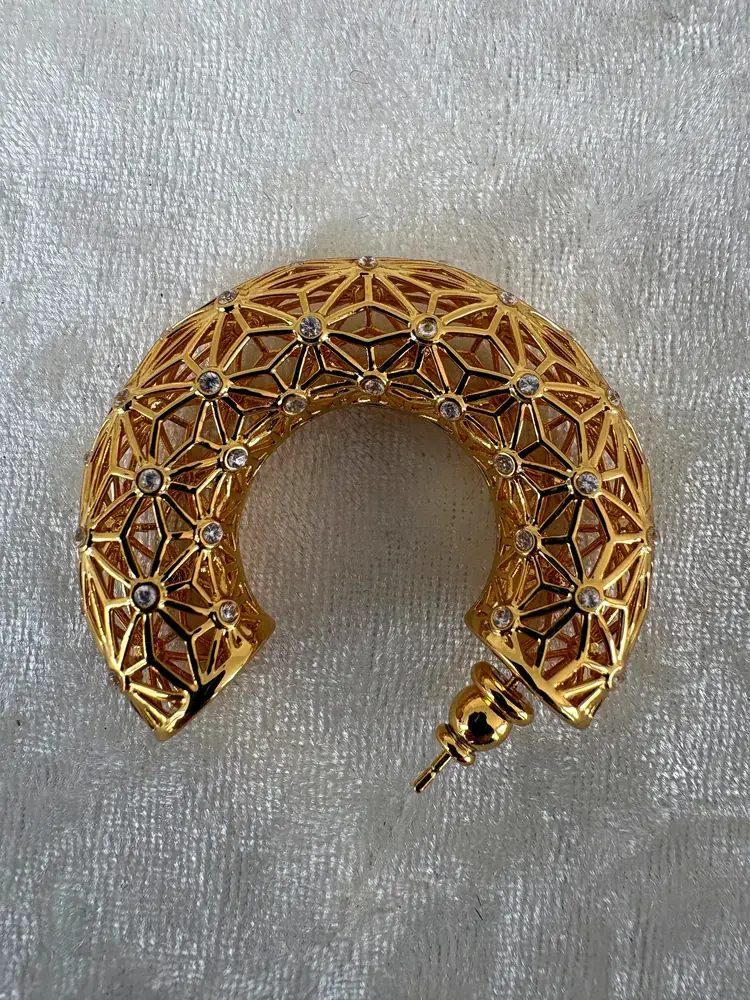
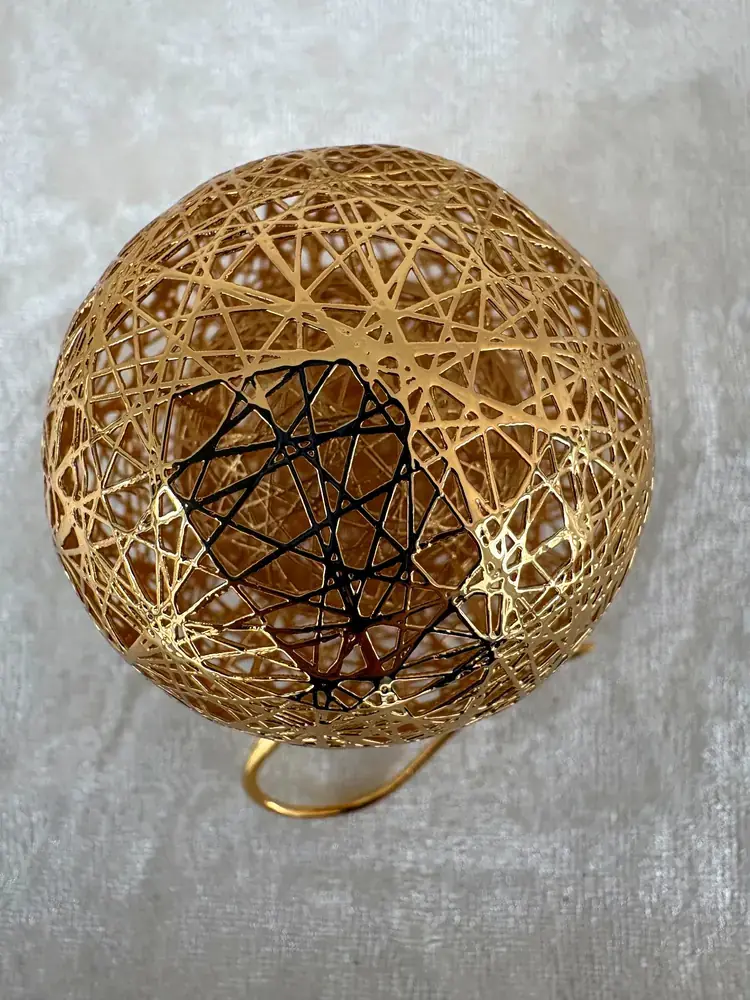
Process detail: metal 3D printing · PVD coating · mirror polishing · inspection

FAQ

Frequently asked questions

Can the porosity be controlled?

Yes, within a printable window - typically 300-800 micron pores with interconnected struts. Below that the structure will not clear powder reliably; above it, strength drops quickly.

Can it be used for medical implants?

The structure is suitable as a demonstration or prototype for osseointegration studies. For clinical use you need a certified medical device supply chain, which we are not - we will say that plainly rather than take the order.

How do you get the powder out of the lattice?

Through the open interconnected cells, with vibration and compressed air after the build. Closed-cell geometry would trap powder, so we design for drainage.

Request a quote

Get your quote within 48 hours

Upload a 3D file (STL, STEP, OBJ, 3MF) or just a photo / drawing. An engineer checks printability, flags anything that will not print, and replies with a clear price breakdown within 48 hours. From one prototype to 1,000+ pieces.

No spam · Files stay confidential · Reply within 48 hours

Prefer email? dimension3dHAN@gmail.com