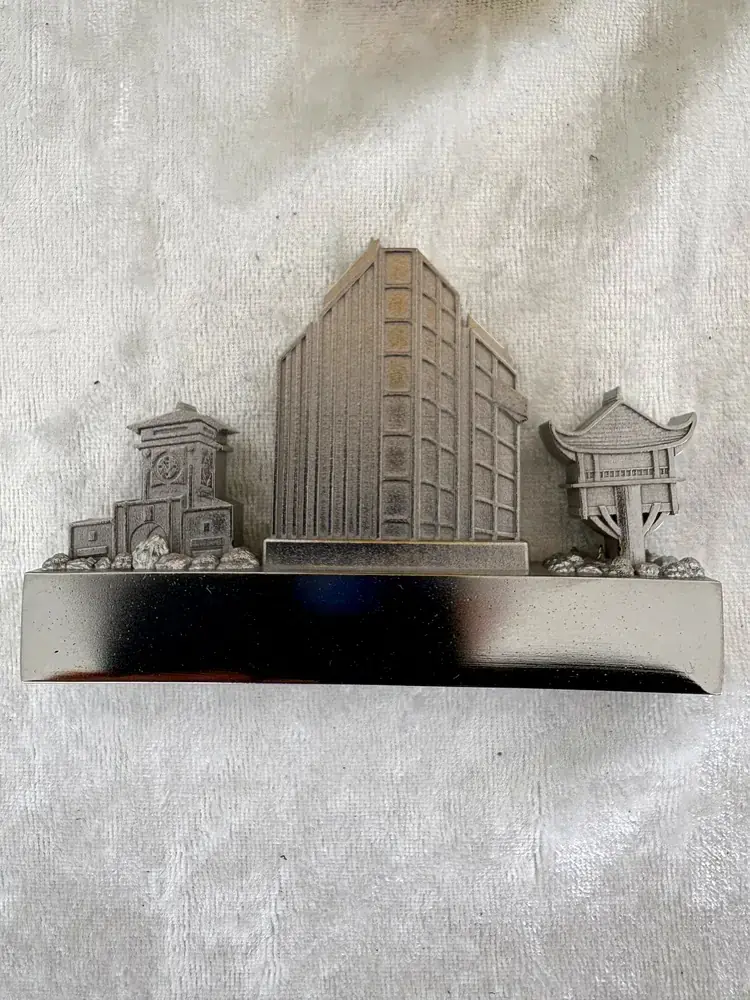
Strong, cheap, fast - and honest about the finish
FDM lays down molten filament in layers. That gives you visible layer lines and anisotropic strength (parts are weaker across the layer direction), but it also gives you the lowest cost per cubic centimetre of any process we run, in materials that survive a workshop floor: ABS, PETG, carbon-fibre nylon and TPU.
We print jigs and fixtures for our own shop, so the advice you get is the advice we use: where to add a fillet so a fixture does not crack, when to switch to PETG for chemical resistance, and when printing at 0.3 mm layers is good enough to save a day.
FDM at a glance
| Parameter | Capability |
|---|---|
| Process | FDM - fused deposition modelling |
| Filaments | PLA, ABS, PETG, PA-CF (carbon fibre nylon), TPU, wood and metal-filled |
| Layer height | 0.1 mm (fine) to 0.3 mm (fast) |
| Typical tolerance | +/-0.3 mm or +/-0.5%, whichever is greater |
| Build volume | Up to 350 x 350 x 400 mm in one piece |
| Strength | Strongest in XY; design so load runs along the layers, not across them |
| Finishing | Support removal, sanding, filler and paint, thread inserts, heat-set inserts |
| Lead time | 2-5 working days |
| Minimum order | 1 piece |
Where FDM makes commercial sense
- ✓Assembly jigs, checking fixtures and go/no-go gauges
- ✓Functional prototypes that will be handled and dropped
- ✓Enclosures and control-panel housings
- ✓Replacement knobs, brackets and covers for production machinery
- ✓Low-volume end-use parts where tooling is not justified
- ✓Large visual models such as architecture and terrain
If the part is cosmetic, use SLA. If it must take load at temperature or in a food-contact or high-wear environment, use metal.
Frequently asked questions
Which FDM material should I choose?
PETG for general functional parts - it is tougher than PLA and handles outdoor humidity. ABS when you need higher temperature resistance or solvent smoothing. PA-CF when stiffness and strength matter more than surface finish. TPU for anything that has to grip, seal or flex.
How strong is an FDM part compared with injection moulding?
Around 60-80% of the strength of the same part moulded, depending on material and print orientation, and it drops further across layer lines. For fixtures and low-volume parts that is usually fine; for a high-cycle production part it is not.
Can I get threads in an FDM part?
Yes - either printed threads (fine for M8 and larger, low load) or heat-set brass inserts, which is what we recommend for anything that will be assembled and disassembled.
Do you print in metal-filled filament?
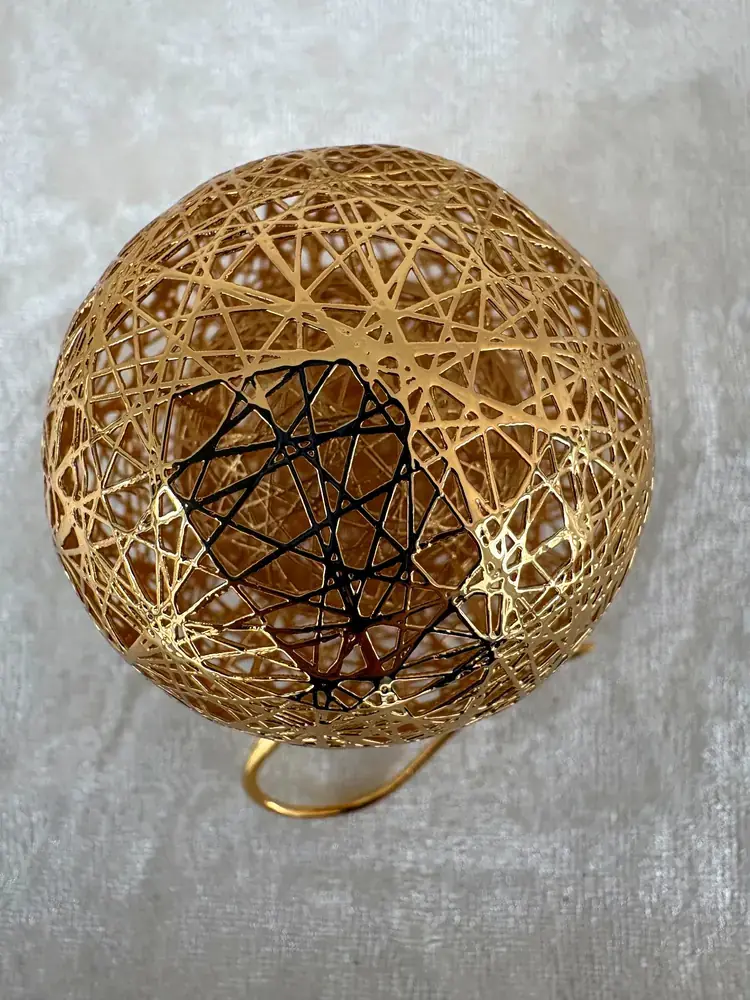
We print bronze, copper and wood-filled PLA for visual and weight purposes. It looks and feels like metal but is a plastic composite - for real metal parts see metal 3D printing.
Get your quote within 48 hours
Upload a 3D file (STL, STEP, OBJ, 3MF) or just a photo / drawing. An engineer checks printability, flags anything that will not print, and replies with a clear price breakdown within 48 hours. From one prototype to 1,000+ pieces.
Prefer email? dimension3dHAN@gmail.com