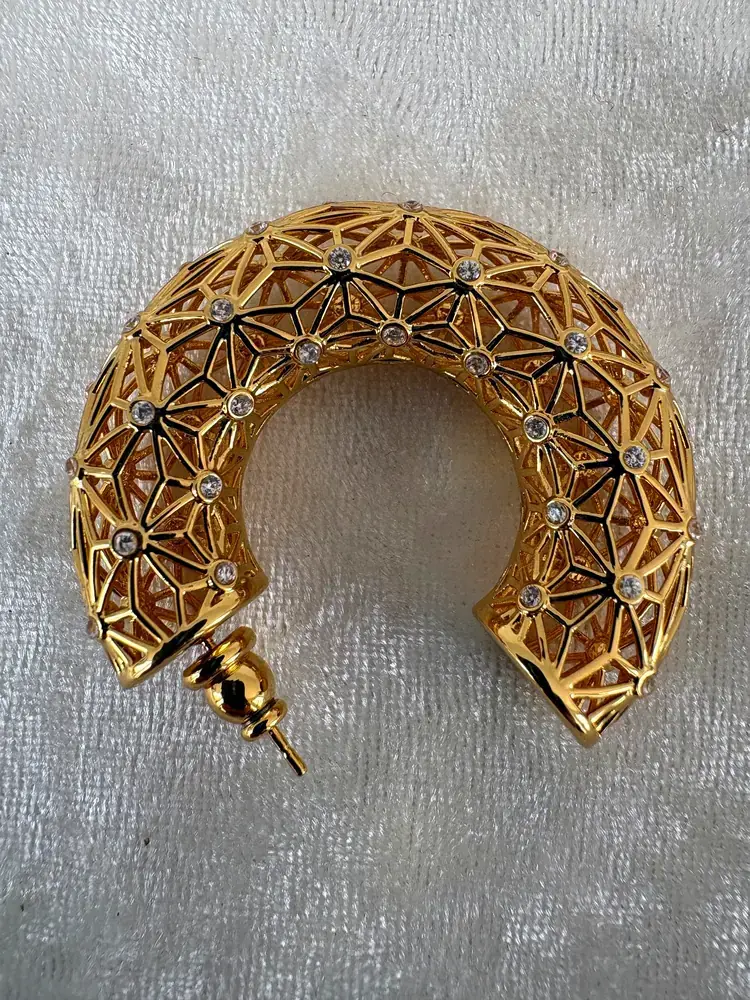
Smooth surfaces, fine features, fast turnaround
SLA cures liquid resin with a laser, layer by layer, at 25 to 100 microns. The result is the highest detail of any polymer process we run: 0.2 mm text is legible, 0.3 mm pins print, and the surface comes off the machine smooth enough that most cosmetic parts need no sanding at all.
It is also the cheapest way to hold a physical part in your hand. A resin prototype of a part you later print in titanium lets you check fit and form before committing to metal - and we keep the same wall-thickness and clearance assumptions across both processes so the comparison is fair.
Resin printing at a glance
| Parameter | Capability |
|---|---|
| Process | SLA - laser stereolithography |
| Layer thickness | 25 / 50 / 100 um |
| Typical tolerance | +/-0.1 mm on small parts, +/-0.3% on dimensions over 100 mm |
| Minimum feature | 0.2 mm text, 0.3 mm pins, 0.5 mm walls |
| Surface finish | Ra 1.6 um as built; sanded, primed and painted on request |
| Resins | Standard, tough, transparent, high-temperature, castable |
| Maximum part size | Up to 300 x 300 x 400 mm, larger models split and joined |
| Lead time | 2-4 working days for typical parts |
| Minimum order | 1 piece |
Where SLA wins
- ✓Presentation and appearance models with visible surface quality
- ✓Master patterns for silicone moulds and vacuum casting
- ✓Jewellery masters for lost-wax casting
- ✓Form-and-fit prototypes before tooling
- ✓Transparent parts for fluid or light-path checks
- ✓Small batches of 10-200 identical plastic parts
For engineering parts that will see load, heat or UV exposure, we will usually steer you to FDM engineering plastics or straight to metal instead - resin is a detail and appearance material, not a structural one.
Frequently asked questions
Is SLA cheaper than metal printing?
Yes, typically 40-70% cheaper for the same geometry, and 3-5 days faster. The trade-off is mechanical and thermal performance: resin is not a substitute for a load-bearing metal part, but it is the right choice for appearance models, masters and fit checks.
Can resin parts be transparent?
Yes - we run a clear resin and then polish the surfaces to remove layer lines. A polished clear part is close to glass-like, though it will yellow under long UV exposure. For a permanent optical part, tell us the light path and we will advise on the resin.
What is the largest resin part you can print?
Around 300 x 300 x 400 mm in one piece. Bigger models are printed in sections with locating features and bonded, then the joint is sanded and painted so it disappears.
Can you cast from a resin print?
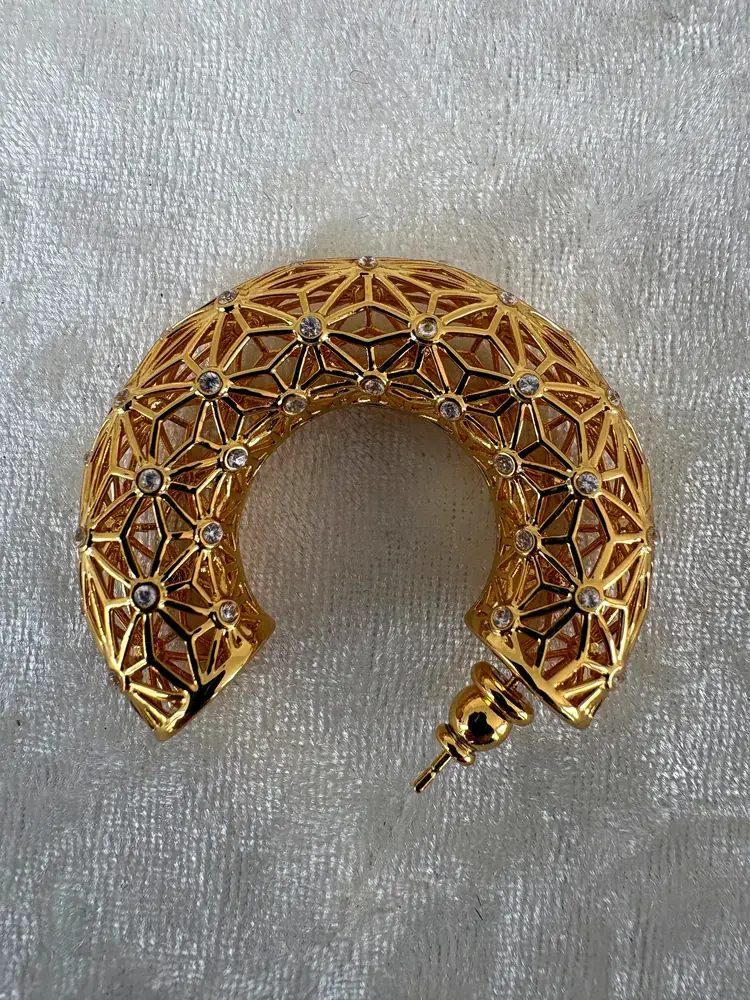
Yes. We supply castable resin masters for lost-wax casting, and we also finish and cast in metal on request - which is how most of our jewellery customers move from design to a gold or PVD-coated stainless steel piece.
Get your quote within 48 hours
Upload a 3D file (STL, STEP, OBJ, 3MF) or just a photo / drawing. An engineer checks printability, flags anything that will not print, and replies with a clear price breakdown within 48 hours. From one prototype to 1,000+ pieces.
Prefer email? dimension3dHAN@gmail.com